
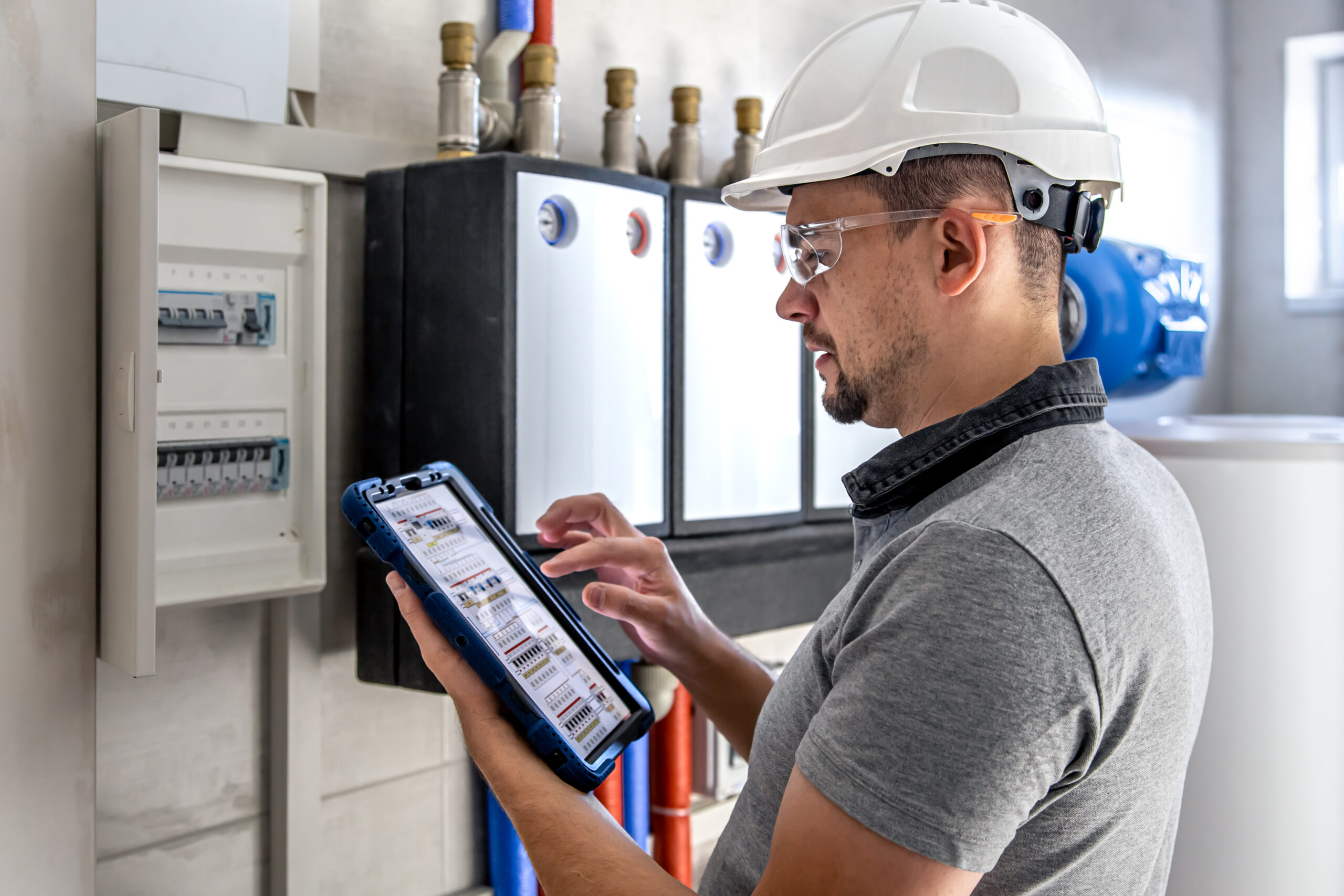
Short answer: To safely flush a central heating system, you drain the old water, clear out built-up sludge and debris (often using a power flush for heavier blockages), then refill the system with clean water and an inhibitor. It’s best left to qualified local gas central heating engineers, since incorrect pressure or chemicals can damage your boiler.
If your radiators are taking longer to heat up, or you’ve noticed cold spots even with the heating on full, your system might be crying out for a flush. A system flush central heating service clears out the sludge, rust, and debris that build up inside pipes and radiators over time. But here’s the thing, flushing a heating system isn’t something to rush into without the right knowledge, because doing it incorrectly can put unnecessary strain on your boiler.
As part of good residential plumbing and heating care, a proper flush restores efficiency, reduces energy bills, and helps your whole system run the way it should. It’s one of those jobs that often gets overlooked simply because the boiler still switches on and the radiators still get warm, so homeowners assume everything is fine. In reality, a system quietly losing efficiency year after year can end up costing far more in energy bills and repairs than a straightforward flush would have.
In this blog, we’ll walk you through what a flush actually involves, the warning signs to watch for, and why it’s worth calling in professionals rather than attempting a full power flush yourself. We’ll also cover how often you should be booking one in, and what a proper service should look like from start to finish.
What Does Flushing a Central Heating System Actually Mean?
Over time, heating systems collect black sludge, a mix of rust, limescale, and debris that circulates through your pipes and radiators. This buildup restricts water flow, forces your boiler to work harder, and can eventually lead to breakdowns.
If you’ve been wondering how do I flush central heating system issues at home, the short answer is: it depends on how severe the blockage is. There are two common approaches:
- A standard flush – draining and refilling the system with clean water, often suitable for minor buildup
- A power flush – using specialist pumping equipment to force high-velocity water and cleaning chemicals through the system, ideal for heavier sludge and blocked radiators
Knowing how to flush central heating system components correctly matters, because getting the pressure or chemical balance wrong can damage seals, joints, or even the boiler’s internal components. The wrong chemical mix, for instance, can corrode pipework over time instead of protecting it, while excessive pressure during a power flush can loosen old joints that were never designed to handle that kind of force.
This is exactly why we always assess the system first rather than jumping straight into a flush. Every home’s heating setup is different, older properties with original pipework often need a gentler approach compared to newer systems with modern radiators and combi boilers.
Signs You Need a Central Heating System Flush
Not sure if your system needs attention? Here are some common signs we come across regularly:
- Radiators that are cold at the bottom but warm at the top
- Longer heating times or uneven warmth across rooms
- Discoloured or dirty water when bleeding a radiator
- Unusual banging or gurgling noises from the boiler
- Rising energy bills despite no change in usage
- A boiler that keeps switching off unexpectedly
If any of these sound familiar, it’s a good idea to get in touch with local gas central heating engineers who can assess the system properly before recommending a flush.
Why Professional Flushing Matters
We get asked a lot why homeowners shouldn’t just try a DIY flush. The truth is, while draining a single radiator is manageable, a full system flush requires the right equipment, correct water pressure, and an understanding of how different boiler types respond to the process. Get it wrong, and you risk damaging seals, pumps, or the boiler’s heat exchanger, turning a maintenance job into an expensive repair.
As experienced local gas central heating engineer professionals, we always start with a full system check before recommending a flush. This helps us identify:
- The severity of sludge buildup
- Whether any radiators need balancing afterward
- If any parts need replacing alongside the flush
- The most suitable flushing method for your specific boiler
Searching for a residential plumbing and heating engineer near me who does this properly can save you time, money, and stress in the long run. It’s worth remembering that a flush isn’t a one-size-fits-all job, what works for a small terraced house with a combi boiler won’t necessarily be right for a larger property with multiple zones and older cast iron radiators.
That’s why we take the time to explain what we’re doing and why at every stage, so you’re never left in the dark about the work being carried out on your system. And if something unexpected does come up mid-job, like an old joint giving way under pressure, our emergency plumber Cheshunt team is on hand to resolve it quickly, so a routine flush never turns into a lengthy headache.
What to Expect From Our Flushing Service
When you book us in for a system flush, we keep things straightforward and transparent. Our process typically includes:
- A full inspection of your boiler and radiators
- Draining the old, dirty water from the system
- Power flushing (where needed) to remove stubborn sludge
- Refilling the system with clean water and inhibitor to prevent future buildup
- Testing radiators and boiler performance before we leave
We treat every home like our own, which means no shortcuts and no unnecessary upselling. Just honest, reliable work from a team that knows heating systems inside and out.
Conclusion
Keeping your heating system clean isn’t just about comfort, it’s about protecting your boiler and getting the most out of your investment. Whether you’re dealing with cold radiators or simply want peace of mind, a professional system flush central heating service can make a real difference.
At LRT Heating, our team of trusted local gas central heating engineers has the experience and equipment to get the job done safely and correctly, without cutting corners. If you’re ready to say goodbye to sludge and hello to consistent warmth, get in touch with LRT Heating today for a free quote, and let our engineers take care of the rest.
Frequently Asked Questions
1. How often should I flush my central heating system?
Most homes benefit from a flush every 5 to 6 years, though older properties or systems with a history of sludge buildup may need it sooner.
2. Can I flush my central heating system myself?
A basic drain-and-refill is possible for confident DIYers, but a full power flush requires specialist equipment and should be left to qualified engineers to avoid damaging your boiler.
3. How long does a power flush take?
Depending on the size of your home and severity of the blockage, a power flush usually takes between 4 to 8 hours to complete properly.
4. Will flushing my system improve my energy bills?
Yes, removing sludge and debris helps your boiler run more efficiently, which often leads to lower energy consumption and more consistent heating.
5. Is a system flush necessary before installing a new boiler?
Absolutely. Installing a new boiler into a system full of old sludge can shorten its lifespan significantly, so a flush beforehand is highly recommended.