
Power Flushing
Power Flushing
Professional Power Flushing Services for Efficient Heating Systems
LRT Heating provides professional power flushing services to help homeowners save money, make their homes warmer, and increase the efficiency of their heating systems. To ensure your satisfaction, we offer a 12-month warranty on all our work.

9.93 /10 Customer Reviews
Power Flushing
What is Power Flushing? Is It Really Important for Central Heating Service
Power flushing is a process that involves removing the sludge, rust, and other unwanted materials from the central heating system, done by professionals. These deposits build up within the system, restrict the water flow, and make your heating system inefficient.
Professional power flushing involves our skilled engineers connecting a dedicated device to your heating system and running a high-flow solution through it to clean out any sludge and improve its performance.
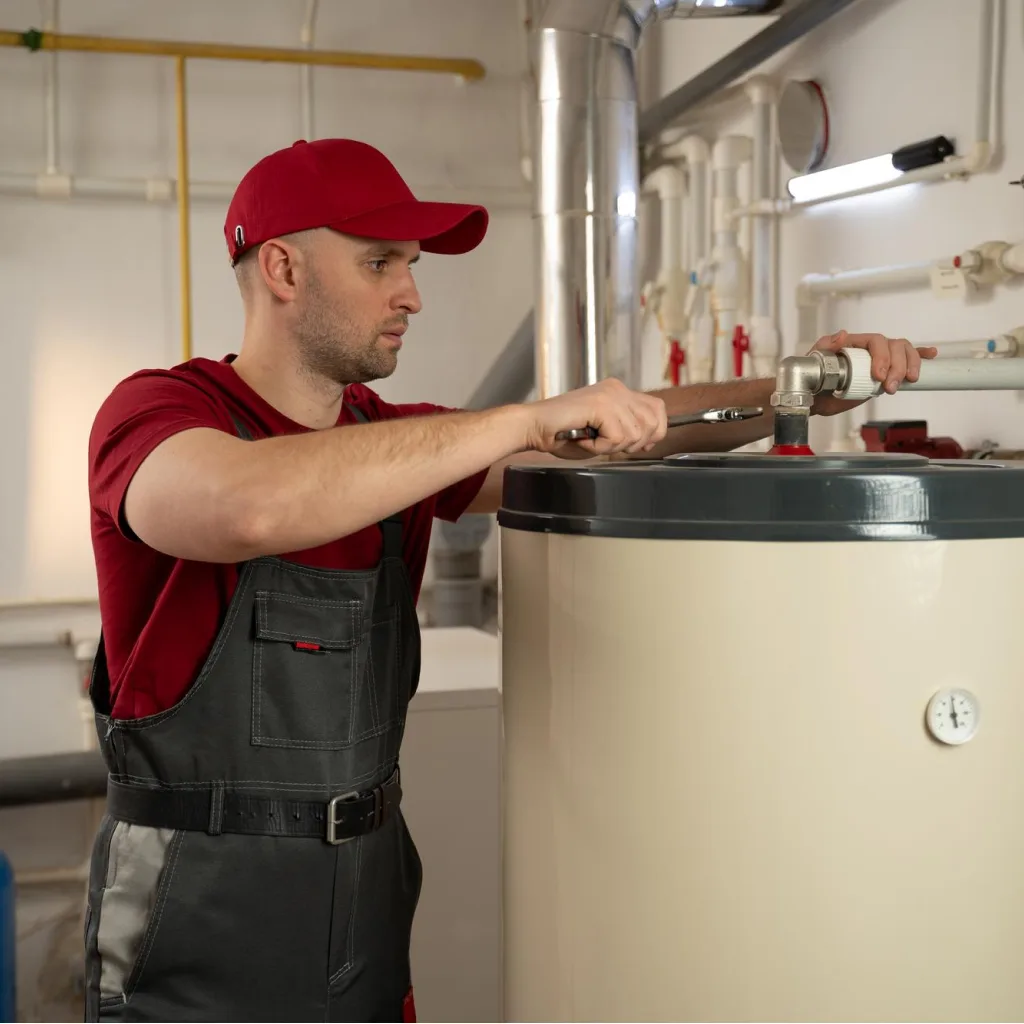
Signs Your Central Heating System Needs a Power Flush
Your central heating system will almost always provide clear signals if it is time to remove internal radiator sludge. Watch out for these common signs in your property
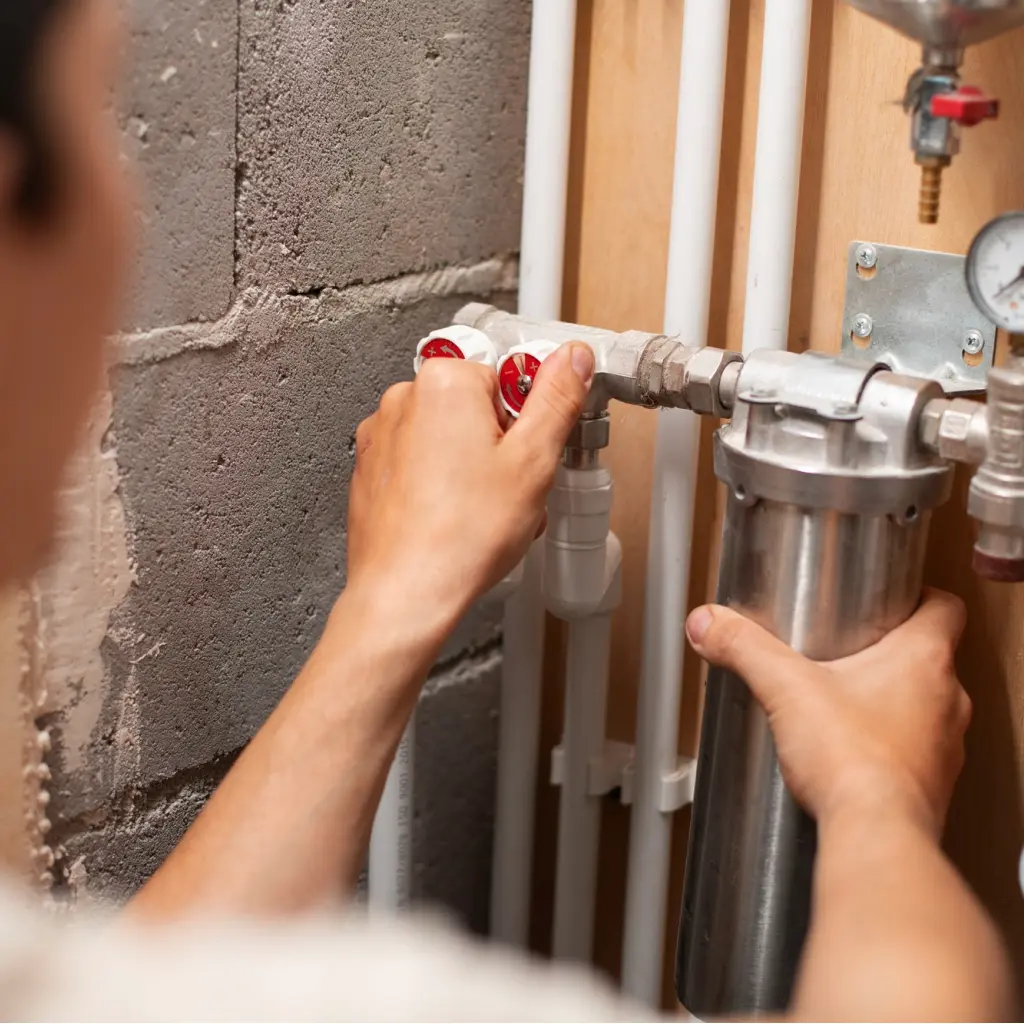
- Cold spots on radiators: A radiator that is warm on top but cold all the way down is a clear indicator of heavy sludge build-up preventing natural water circulation.
- Boiler noises: Rattling, whistling, and “kettling” from your boiler indicate that sludge is causing restricted circulation.
- Delayed system warming up: Your house takes much longer to warm up than before, which means there is sludge preventing efficient heat distribution.
- System component failures: Sludge leads to the premature failure of various mechanical components, such as circulating pumps and motorized zone valves.
- Black radiator water: When bleeding the radiator produces not clear but black and dirty water, it definitely means that your system needs to be cleaned.
- Higher energy bills: As your system works twice as hard as it needs to to comply with your thermostat requirements, your household energy consumption rises sharply.
Benefits of Our Power Flushing Services for Your Central Heating System
There are numerous benefits to be gained by investing in a heating system power flush
- Energy Saving: The removal of hard sludge allows your system to achieve unrestricted heat transfer. It will not be cycling unnecessarily to meet the necessary temperatures, thus reducing your monthly gas use.
- Increased System Efficiency: The absence of sludge inside the system allows it to perform just as intended. The efficiency of your boiler and fuel consumption can be increased after the procedure is done.
- Warmer Radiators: Without any sludge residues in the boiler's inner chambers, the hot water distribution becomes even across the whole radiator surface, resulting in warmer radiators without cold spots.
- Risk of Breakdown: Preventative maintenance, such as power flushing and central heating service, can greatly minimize the requirement for emergency repair work.
- System Longevity: Hard sludge creates significant pressure on the heat exchanger and the pump in your heating system. Clean water extends its operational life.
- Optimum System Functioning: Your system will become more efficient in its functioning, performing faster and more quietly.
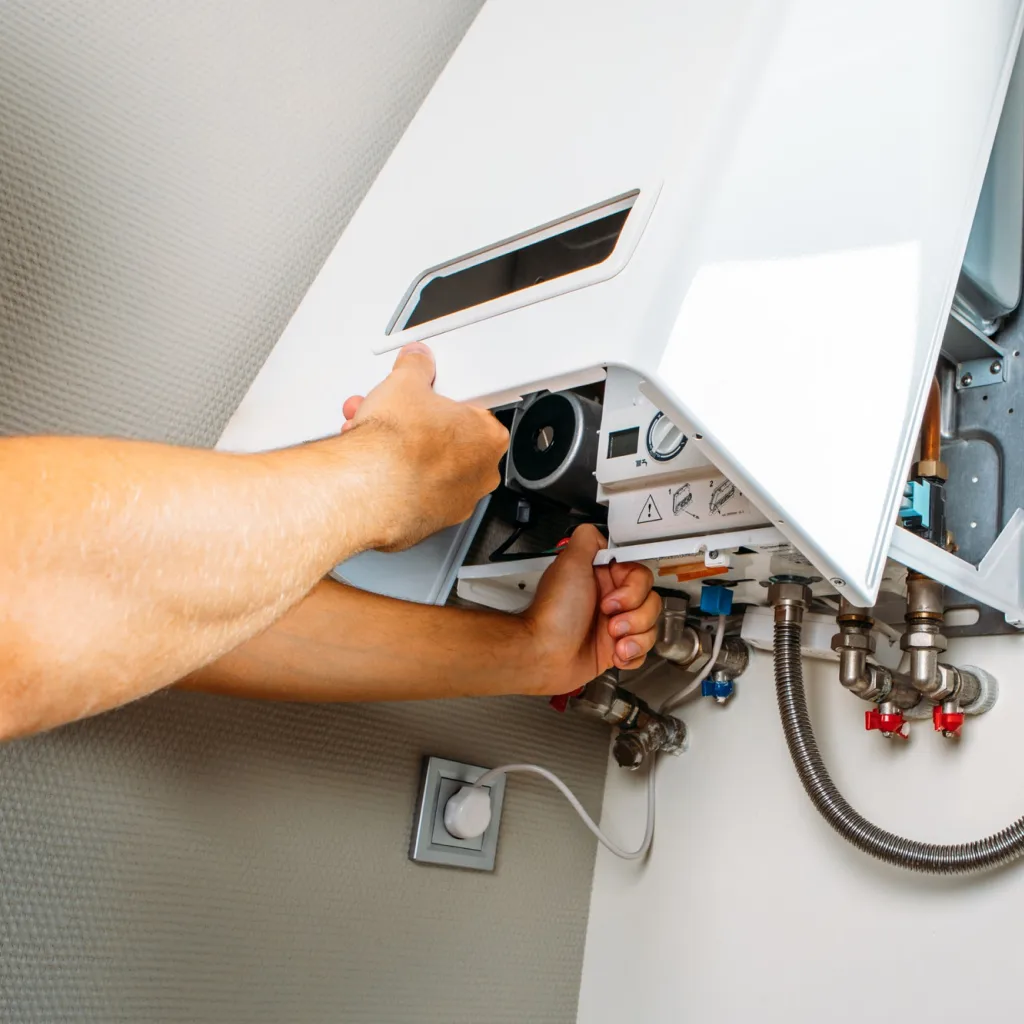
Our Process
Our Power Flushing Process for Long-Lasting Central Heating Performance
LRT Heating uses a well-defined methodology to guarantee that the central heating system will be adequately flushed while ensuring no messy work is done in your living area
System Survey
We conduct thermal imaging and baseline temperatures to pinpoint the problematic radiators and to determine the degree of clogging.
Attaching the Flushing Device
Our specialists attach the professional power flush station to the system, normally to the radiator valve or central pump pipe, providing full sealing of the loop without any leaks.
Sludge and Debris Removal
The whole system is flushed while flushing each radiator individually to concentrate high velocity and loosen up debris, which is then moved through heavy magnetization.
Radiator Cleaning
Each radiator is vibrated externally using special equipment to remove the deposits of the black iron oxide sludge in the corners of the radiator.
Inhibitor Application
After obtaining perfect cleanliness of the water, we apply premium quality chemical corrosion inhibitors to prevent the appearance of rust.
Testing
All radiators are balanced, the system is re-pressurized, and tested.
Why Choose LRT Heating for Power Flushing and Local Central Heating Repairs?
Where your first concern is ensuring that your house’s primary heat source is in proper condition, then expertise is key. LRT Heating provides top-notch power flushing services that are specially designed for local homeowners
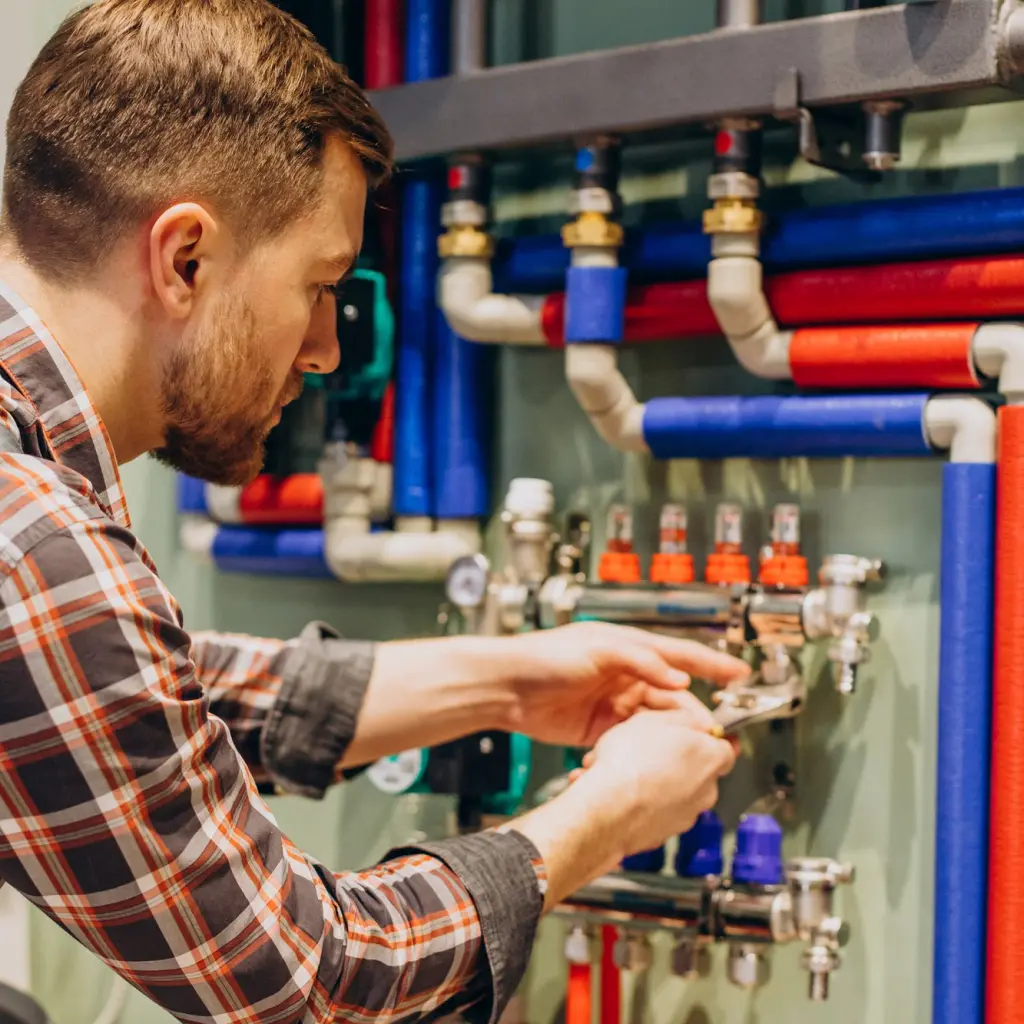
- Experienced Engineers: Our well-trained and Gas Safe-registered experts know all there is to know about complex central heating systems.
- Professional Equipment: LRT Heating uses tough industrial-grade pumping machines and multistage magnetic filters that are much superior to any general rented equipment.
- Transparent Pricing: We always quote you up front at the right price and never add any hidden costs after the job is done.
- Quick and Efficient Service: Our engineers will come when it suits you best and finish your service quickly so that you can return to your normal life as soon as possible.
- Minimal Intrusion: Our engineers approach your home with the highest degree of respect, using floor and wall protectors to ensure that everything remains spotlessly clean.
- Local Professionals: If you've been looking for "power flushing near me," then we are the answer to your problems.
- Comprehensive Heating Solutions: Apart from the power flushing process, we also have professional central heating services and local central heating repairs.
Frequently Asked Questions
How long does a power flush take?
Typically, the entire power flushing process may take 4 to 6 hours. Of course, the required time will depend entirely on the size of the heating system, the quantity of radiators in the system, and the amount of sludge inside the pipes.
How often should a heating system be power flushed?
A professional power flush every five to six years should be carried out as part of preventative maintenance for regular systems. On the other hand, in the case of new boiler replacement installation, building regulations require that the entire system be thoroughly cleaned in order to protect the heat exchanger from any old debris.
Does power flushing reduce energy bills?
Absolutely yes! Proper removal of thick sludge insulation in your system will allow water to flow faster and transfer heat more efficiently. This will help your boiler achieve your thermostat’s temperature needs quickly, reducing the amount of domestic gas used up to 15%.
Is power flushing worth it?
This is highly economical because the initial cost of carrying out power flushing is far lower than the cost of replacing a boiler block affected by sludge or a heat exchanger destroyed by sludge.
Can power flushing reduce the need for local central heating repairs?
Yes. The removal of sludge and other debris reduces the risk of breakdowns, increases the circulation efficiency, and lowers the chances of expensive local central heating repairs in the future.
How do I know if my system needs power flushing?
The most significant indicator is where the radiator is completely cold on the lower portion and hot on the upper end. Some of the other indicators include the noisy rattling sound from the boiler unit, an extremely long period of warm-up, and the metallic water being released during bleeding.